Why More Patients Want Cosmetic Dentistry Bakersfield CA

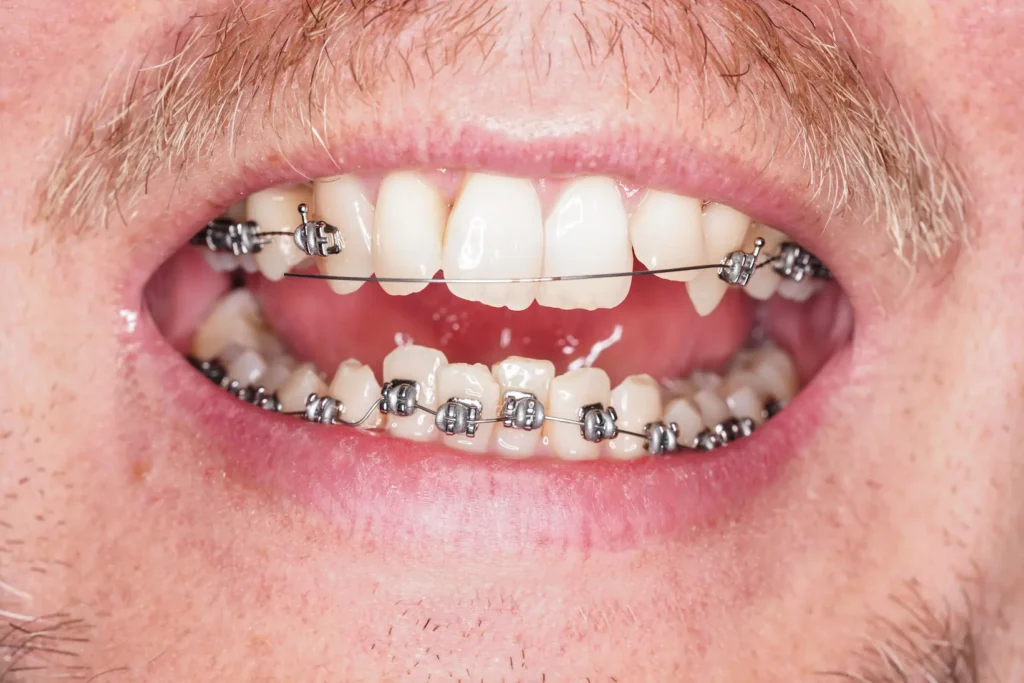
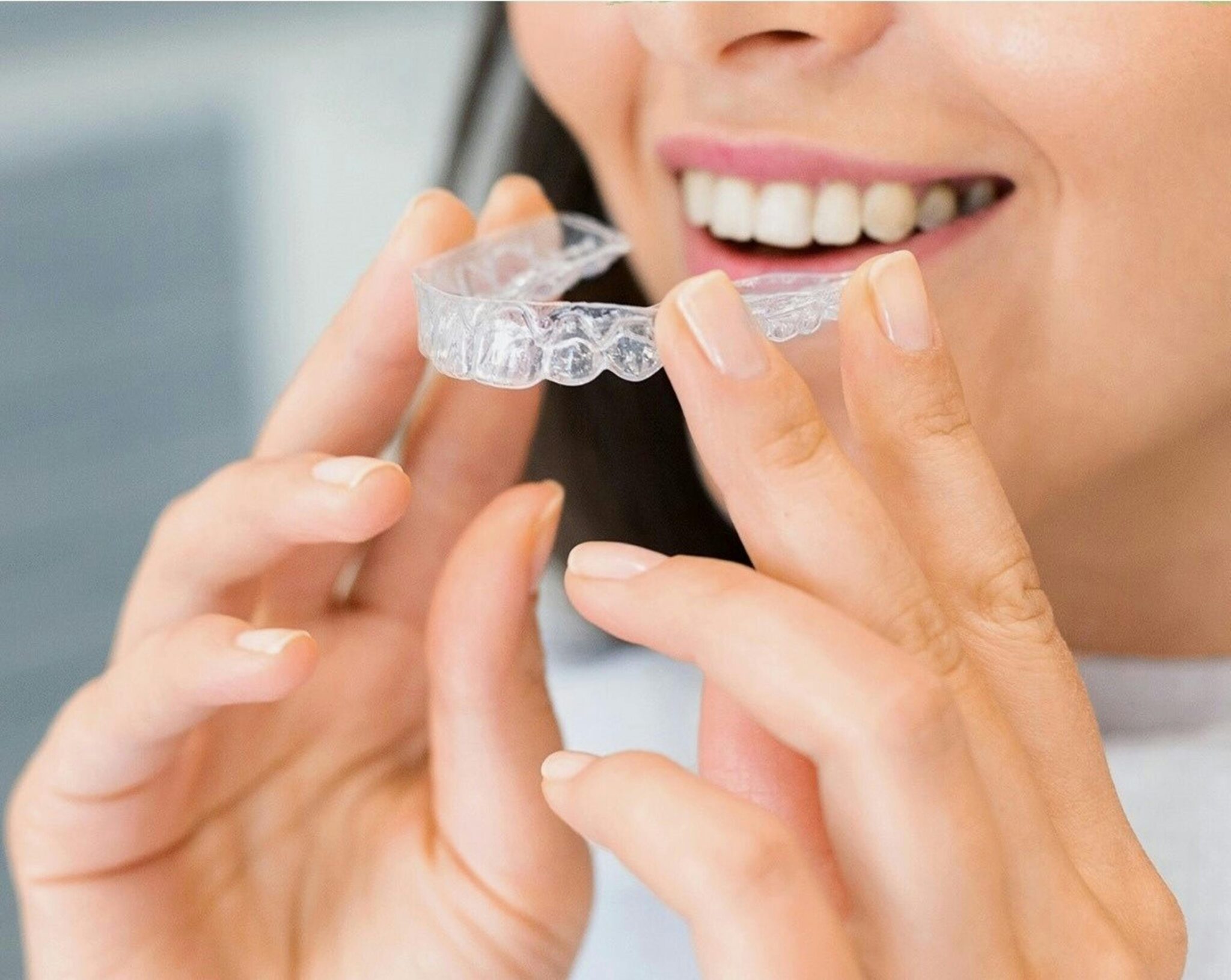
A decade ago, many people thought cosmetic dentistry belonged in the category of luxury upgrades, something elective, expensive, and easy to postpone. That picture has changed. In Bakersfield, more patients are asking about veneers, whitening, bonding, clear aligners, and complete smile makeovers, not because they are chasing perfection, but because they are paying closer attention to how their teeth affect daily life.
The interest is practical. People want to look polished in work meetings. They want to smile in family photos without angling their face away from the camera. They want a front tooth repaired after an old sports injury, or they want to soften years of staining from coffee, tea, or tobacco. In many cases, they are also discovering that cosmetic treatment overlaps with function. A chipped edge can become a bite issue. Worn enamel can affect comfort. Misaligned teeth can make cleaning harder.
That is a big reason the phrase Cosmetic Dentistry Bakersfield CA keeps showing up in patient conversations. It reflects a real shift in what people value. Appearance still matters, of course, but so do confidence, longevity, oral health, and treatment plans that fit real budgets.
The smile has become part of how people present themselves
People are seen more often than they used to be. Video calls, phone cameras, social media, workplace branding, and professional headshots have made teeth more visible in everyday life. You do not need to be an influencer or public speaker to notice it. A parent taking school pictures, a salesperson meeting clients, a nurse speaking with patients, or a business owner recording a short video all see the same thing on screen, their smile is part of the message.
That visibility changes behavior. Small flaws that once went unnoticed in the mirror can suddenly feel prominent on camera. Mild crowding, a dark tooth from old trauma, or uneven whitening becomes harder to ignore when it appears in a close-up image. Some patients react emotionally to that realization. Others treat it the way they would a wardrobe update or a vision correction appointment, as maintenance that helps them feel more like themselves.
There is also a psychological layer that dentists see every week. People rarely say they want a smile that looks “perfect” in the abstract. More often, they say they want to stop hiding. They want to laugh without covering their mouth. They want to stop editing every photo. They want to speak in meetings without feeling self-conscious about a gap or discoloration. Cosmetic dentistry can solve technical problems, but what patients usually notice first is the relief.
Bakersfield patients tend to want natural results, not obvious dental work
One of the most important changes in cosmetic dentistry is aesthetic taste. Patients are far less interested in overly bright, overly square, one-size-fits-all smiles than they were years ago. The modern request is subtler. People want their teeth to look healthy, balanced, and believable.
That matters because the best cosmetic dentistry rarely announces itself. It respects facial structure, lip movement, skin tone, age, and even personality. A smile that looks right on a 22-year-old influencer may look out of place on a 48-year-old attorney, teacher, or contractor. The strongest cosmetic outcomes are customized, not copied.
In practice, this means a dentist is considering details that patients do not always expect. Tooth proportion matters. So does translucency at the edge of a front tooth. So does the way the teeth show at rest, the shape of the gum line, and the relationship between the smile and the face as a whole. Bright white is not always better. Uniformity is not always attractive. Sometimes the most successful case is the one where friends say, “You look great,” without realizing dental treatment was part of the change.
That preference for realism has made cosmetic treatment more appealing to cautious patients. Many people avoided it for years because they had seen crowns or veneers that looked too opaque or bulky. Better materials, stronger lab communication, digital imaging, and more conservative planning have changed that perception.
The line between cosmetic and restorative dentistry is thinner than people think
A common misunderstanding is that cosmetic dentistry is purely about vanity. In real clinical settings, the line between cosmetic and restorative care is often very thin. A patient may come in asking for whiter teeth and discover that old fillings on the front teeth are mismatched and failing. Another may want veneers, but what they really need first is bite stabilization because years of grinding have worn down the enamel.
This is where experience matters. A dentist who approaches aesthetics responsibly is not just asking what the teeth could look like. They are asking whether the foundation is healthy enough to support the result. Gums, bone, enamel thickness, bite force, decay risk, and habits like clenching all affect the plan.
Consider a common scenario. A patient in their late 30s has one discolored front tooth after a childhood injury, minor crowding on the lower front teeth, and generalized yellowing from years of coffee. There is no single treatment that solves everything elegantly. Whitening may improve the overall color but not the dark tooth. Bonding could help, but only if the bite is favorable. Veneers may offer more control, but they should not be recommended casually if a less invasive route will work. Clear aligners might improve the setup before any final cosmetic work. What looks simple in a selfie can require layered decision-making in a dental chair.
Patients are increasingly aware of that. Many now ask better questions. They want to know not only what will look good, but also what will last, what will need maintenance, and what trade-offs come with each option.
More treatment options have made cosmetic dentistry feel accessible
Another reason demand is climbing is simple, people have more choices now. Cosmetic dentistry is no longer limited to dramatic smile makeovers or full sets of veneers. There are entry points for different budgets, timelines, and comfort levels.
A patient with one small chip may do beautifully with bonding in a single visit. Someone with broad staining but healthy enamel may start with professional whitening. A person who dislikes crowding but does not want brackets might explore clear aligners. Another with several old, mismatched restorations may need a more comprehensive plan, often completed in phases rather than all at once.
That range changes the conversation. It allows patients to begin where they are instead of feeling forced into an all-or-nothing decision. It also gives dentists room to prioritize. Sometimes the first phase is functional, treating decay, replacing leaking fillings, or managing gum inflammation. The cosmetic phase follows after the mouth is healthier and the final result has a better chance of lasting.
For many Bakersfield families, that phased approach is the difference between treatment feeling possible and treatment feeling out of reach.
Confidence has economic value, even when people hesitate to say it
Patients do not always want to frame cosmetic dental treatment in career terms, but the connection is real. When someone feels better about their smile, they often communicate differently. They speak more freely. They make stronger eye contact. They smile without hesitation. In roles that rely on trust and presence, sales, healthcare, hospitality, management, law, real estate, client service, that confidence can influence first impressions.
This does not mean people need cosmetically enhanced teeth to succeed. Plenty of successful people have imperfect smiles. But if a visible dental issue is causing someone to pull back socially or professionally, correcting it can remove friction that has been there for years.
I have seen patients who tolerated a chipped front tooth for a long time because they thought it was “not a big deal.” Then it was repaired, and within a week they were smiling differently. Not theatrically, just normally, in the way they had probably done before the damage happened. These changes can look small from the outside. They rarely feel small to the person living with them.
The local factor matters more than many patients expect
When people search for Cosmetic Dentistry Bakersfield CA, they are usually not just looking for a procedure. They are looking for a practice they can return to, communicate with, and trust over time. Cosmetic work often involves follow-up, maintenance, shade conversations, refinement, or phased treatment. Convenience matters, but continuity matters more.
Local climate and lifestyle can play a role as well. Bakersfield patients often deal with long workdays, sun exposure, dehydration, coffee consumption, and schedules that make preventive care easy to delay. Some grind their teeth from stress. Cosmetic Dentistry Bakersfield CA Some have staining habits they want help managing, not just correcting once. A dentist familiar with local patient patterns is often better positioned to give realistic guidance about upkeep.
For example, whitening can look excellent after treatment, but the result is not frozen in time. A patient who drinks dark coffee throughout the day, uses tobacco, or has naturally porous enamel may need maintenance more often than someone without those habits. That is not a failure of the treatment. It is simply biology and lifestyle. Honest expectations are part of good cosmetic care.
What patients are actually asking for
The public image of cosmetic dentistry still leans toward celebrity veneers, but in everyday practice, the most common requests are usually modest. Patients want improvement that fits their face and their life.
Here are the concerns that come up again and again:
- Stained or yellow teeth that do not respond well to store-bought products
- Chipped, worn, or uneven front teeth
- Small gaps or mild crowding that affect appearance
- Old dental work that no longer matches surrounding teeth
- A smile that looks aged because of wear, flattening, or darkening
Each of these may have several possible solutions. That is why a cosmetic consultation should feel less like a sales pitch and more like a diagnostic conversation. The same visible problem can have very different causes. A short tooth may be naturally small, broken, worn down from grinding, or partially covered by excess gum tissue. Treating the appearance without understanding the cause can create a result that looks fine initially and fails early.
Social acceptance has changed, and that reduces hesitation
Cosmetic dental work used to carry a stigma for some people. They worried it would seem vain, extravagant, or artificial. That resistance has softened. Today, whitening teeth or straightening them with aligners sits closer to routine self-care than to indulgence in the minds of many patients.
You can see this shift across age groups. Younger adults often pursue cosmetic treatment earlier because they are used to preventive and appearance-based care in other areas of health. Middle-aged patients frequently revisit long-standing concerns once children are older or careers are more established. Older adults are also seeking cosmetic improvements, especially as dentistry offers more conservative ways to brighten or refresh the smile without making it look unnatural.
There is also a stronger understanding that investing in the smile can support oral health when done thoughtfully. Straightening crowded teeth can improve cleanability. Replacing failing visible restorations can improve both function and appearance. Correcting wear before it progresses can preserve tooth structure. Good cosmetic dentistry does not ignore health. It builds on it.
The best candidates are not always the obvious ones
One of the most useful things a dentist can do is tell a patient when not to rush into cosmetic treatment. Not every mouth is ready. Active gum disease, untreated decay, unstable bite patterns, heavy clenching, or unrealistic expectations can all complicate the outcome.
This does not mean the patient is a poor candidate forever. It means the sequence matters. Sometimes the smartest cosmetic plan begins with periodontal treatment, night guard therapy, orthodontics, or replacement of old restorations in less visible areas. Cosmetic success is often won in the planning stage, not in the final appointment.
That is especially true for veneers, which many patients request by name. Veneers can be a beautiful option, but they are not the answer to every concern. If the issue is alignment, whitening, or one isolated chip, there may be a more conservative route. If the patient grinds heavily and is unwilling to wear protection at night, veneers may not be the most durable investment. If the patient wants a dramatic color shift but has very thin enamel or significant bite issues, the planning gets more complex.
Experienced clinicians tend to be direct about these trade-offs. Good cosmetic dentistry is not just about what can be done. It is about what should be done.
What to look for before saying yes to treatment
Patients often focus on the procedure itself, but the decision process deserves equal attention. Cosmetic dentistry is part art, part engineering, and part communication. The relationship with the provider matters because aesthetic preferences are personal, and no two patients define “beautiful” the same way.
Before committing, it helps to pay attention to a few signs:
- The dentist discusses health, bite, and longevity, not just appearance
- The proposed treatment feels tailored rather than copied from a standard menu
- You receive clear information about maintenance, limits, and possible revisions
- Shade and shape are explained in realistic terms, with attention to natural appearance
- You do not feel rushed into the most expensive option
That last point matters. Ethical cosmetic dentistry leaves room for restraint. A practice should be able to explain why a small case needs only whitening and bonding, just as confidently as it explains when a more comprehensive plan is justified.
Cost is still a factor, but the conversation has matured
There is no avoiding the financial side. Cosmetic treatment can be expensive, and insurance coverage is often limited when procedures are classified as elective. Still, patients are more willing to spend when they understand the value and the timeline.
They also appreciate transparency. A patient may be perfectly comfortable investing in veneers or aligners if they know the expected lifespan, maintenance requirements, and alternatives. On the other hand, many lose trust when cost is discussed before diagnosis, or when pricing is presented without context.
Not all cosmetic options occupy the same category. Bonding may cost less upfront but can stain or chip sooner in some cases. Whitening is often affordable, but some discoloration does not respond evenly. Veneers can produce a dramatic result, but they require a greater commitment and usually more planning. Crowns can improve appearance and strength, but they are not interchangeable with veneers. Clear aligners can transform a smile and improve bite relationships, but they take time and patient compliance.
When practices in the Cosmetic Dentistry Bakersfield CA space explain these nuances well, patients tend to make better decisions and feel more satisfied afterward.
Why the trend is likely to continue
Nothing about the current demand suggests it is temporary. People care how they look, but more importantly, they care how they feel when they speak, laugh, work, and show up in front of others. Dentistry now offers more refined ways to support those goals without forcing every patient into the same high-gloss aesthetic.
At the same time, public understanding has improved. Patients know they can ask for natural-looking changes. They know cosmetic dentistry can be conservative. They know they can phase care over time. They Cosmetic Dentistry Bakersfield CA also know that visible dental concerns are not trivial if they affect confidence every day.
That is why interest keeps growing. Not because everyone wants a makeover, but because more people have realized that improving a smile can be practical, personal, and worth doing carefully.
For Bakersfield patients, the appeal often comes down to something simple. They want treatment that respects how they live, how they look, and what they can realistically maintain. When cosmetic dentistry is approached with that level of judgment, it stops feeling like an indulgence and starts feeling like smart, individualized care.
Toothworks of Bakersfield, Dentist and Orthodontist
Address: 1030 H St #1, Bakersfield, CA 93304
Phone number: +16613239421
FAQ About Cosmetic Dentistry Bakersfield CA
What is considered cosmetic dentistry?
Cosmetic dentistry includes any dental treatment focused primarily on improving the appearance of your teeth, gums, or bite rather than treating a disease or restoring basic function.
How much does cosmetic dentistry usually cost?
The cost of cosmetic dentistry typically ranges from a few hundred dollars for minor touch-ups to over $20,000 for a comprehensive smile makeover, depending entirely on the specific procedure, materials used, and how many teeth are treated. Because most cosmetic treatments are elective, they are usually paid out of pocket without insurance coverage.
Is there a difference between a regular dentist and a cosmetic dentist?
Yes, a regular dentist focuses on your overall oral health and preventing disease, while a cosmetic dentist focuses on improving the look of your smile.