The Latest Trends in Cosmetic Dentistry Bakersfield CA
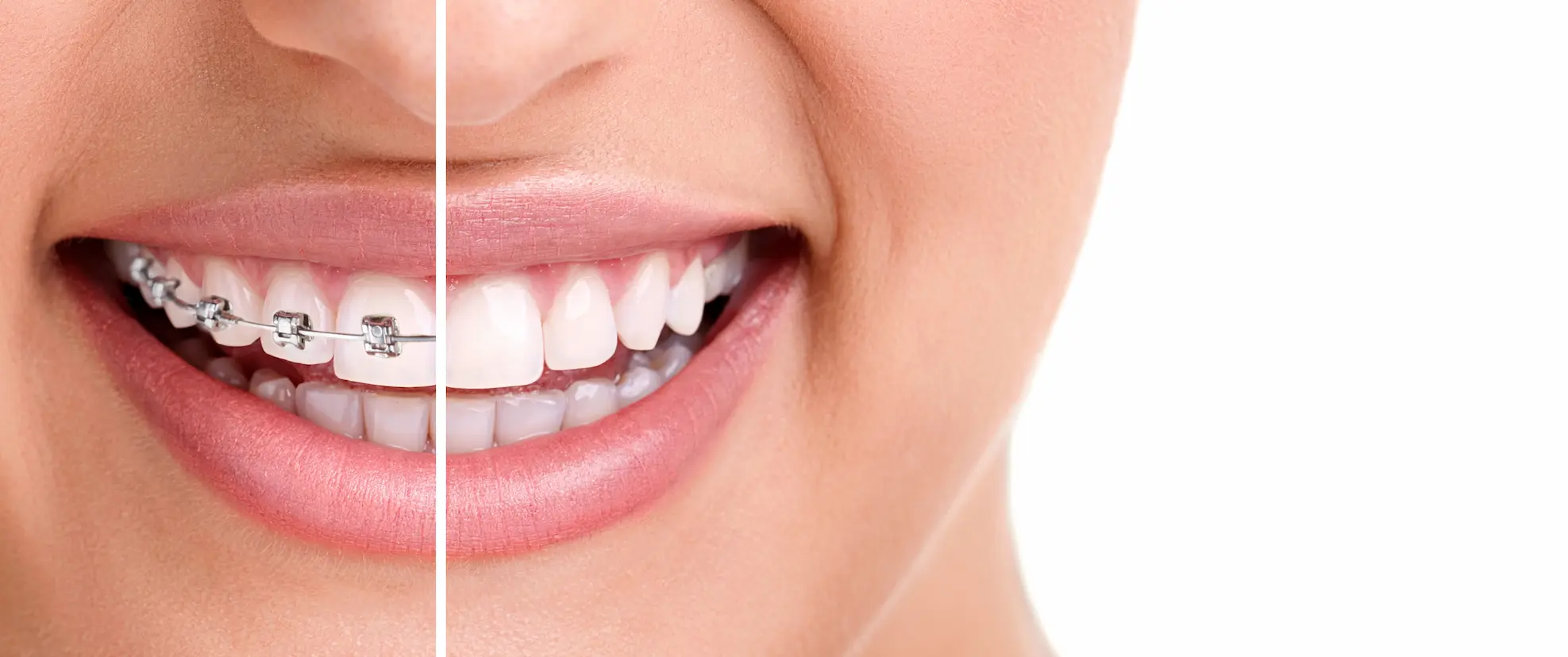

Aesthetic dentistry has changed dramatically over the past decade, and the shift is especially noticeable in practices that balance appearance with long-term oral health. Patients are no longer asking only for whiter teeth. They want a smile that fits their face, functions well, photographs naturally, and holds up under daily use. In Bakersfield, that usually means practical cosmetic improvements rather than flashy, one-size-fits-all makeovers.
That distinction matters. The strongest work in cosmetic dentistry is often the least obvious. A well-shaped veneer should not announce itself from across the room. A bonded edge repair should disappear into the tooth. Orthodontic movement should improve bite stability as much as front-facing symmetry. The latest trends in Cosmetic Dentistry Bakersfield CA reflect that broader view. The field is moving toward precision, restraint, and individualized planning, with technology supporting the process rather than dominating it.
Natural-looking results are replacing the overly bright, overly uniform smile
For years, cosmetic work was often judged by one metric: how white it looked. Patients still ask for a brighter smile, of course, but many now arrive with a more refined goal. They want their teeth to look healthy, balanced, and age-appropriate. That has changed the way dentists talk about shade, shape, translucency, and texture.
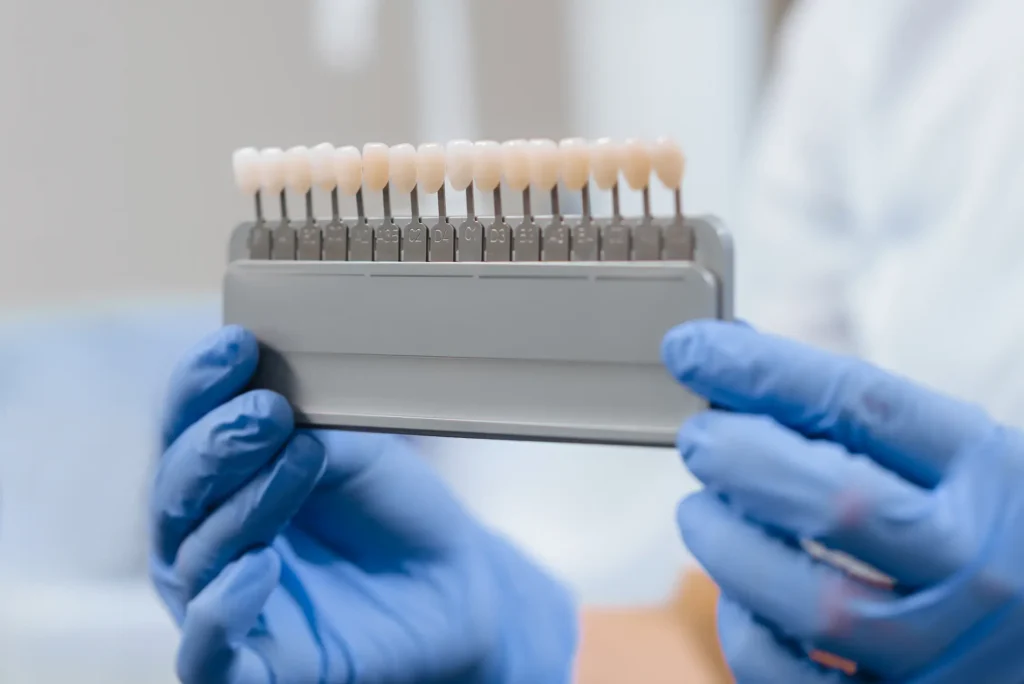
A natural tooth is not a flat block of white. It carries subtle variation. The edges may be slightly translucent. The surface may reflect light differently from top to bottom. The central incisors should not look identical to premolars, and the smile line should harmonize with the lower lip rather than fight it. Modern cosmetic planning increasingly respects those details.
In real clinical settings, this often shows up during veneer consultations. Ten years ago, some patients requested the brightest shade available without much discussion. Now many ask to see examples of “natural but polished” results. They want friends to notice they look refreshed, not to immediately identify dental work. That is a meaningful cultural shift, and it has improved outcomes.
For Bakersfield patients, this trend makes sense. Many adults seeking cosmetic treatment are professionals, business owners, healthcare workers, educators, or people active in community life. They want confidence in meetings, family photos, and social settings, but they do not want a smile that seems artificial or out of proportion to their face. The most current cosmetic approach respects that preference.
Digital smile planning is making consultations more precise
One of the most useful advances in cosmetic dentistry is the ability to preview treatment more accurately before a tooth is ever touched. Digital photography, intraoral scanning, and smile design software have improved case planning in a very practical way. Patients can see proposed changes in tooth length, width, contour, and alignment, and clinicians can communicate more clearly with labs and specialists.
This does not mean every digital mock-up perfectly predicts the final result. Anyone experienced in cosmetic work knows that soft tissue, lip movement, bite dynamics, and lighting all affect what a smile looks like in person. Still, digital planning helps reduce guesswork. It gives patients a shared visual reference and makes it easier to discuss trade-offs early.
That matters most in cases involving multiple front teeth. If someone is considering veneers on the upper front six or eight teeth, even a millimeter or two of change can alter the entire character of the smile. Digital planning helps answer important questions before treatment begins. Should the central incisors be lengthened? Do the laterals need more rounded contours? Is the current gum display flattering, or would a small adjustment improve the balance? These are not abstract design questions. They determine whether a result feels elegant or slightly off.
Digital scans also improve the patient experience. Traditional impressions were messy, uncomfortable, and occasionally inaccurate if the material distorted. Scanners are faster, cleaner, and easier to repeat if needed. For patients exploring Cosmetic Dentistry Bakersfield CA, that combination of comfort and precision is one of the most welcome trends in the field.
Conservative treatment is gaining ground, and that is a healthy development
The most responsible cosmetic dentists are doing less drilling when less drilling will do the job. That does not make for dramatic advertising, but it makes for better dentistry. Conservative treatment planning has become a major trend, and it deserves more attention than it gets.
There was a period when veneers were presented almost as a universal answer for cosmetic concerns. Veneers remain an excellent option in the right case, especially for significant shape discrepancies, intrinsic discoloration that resists whitening, worn enamel, or complex smile redesigns. But they are not the first answer to every aesthetic complaint.
Today, dentists are far more likely to consider enamel microabrasion, whitening, tooth contouring, direct bonding, or limited orthodontic movement before recommending aggressive restorative treatment. A patient with minor spacing and healthy enamel may do beautifully with clear aligners followed by edge bonding. Someone with one dark tooth after trauma may need internal bleaching or a single carefully matched restoration rather than a full set of veneers.
This trend reflects clinical maturity. Enamel is precious. Once it is removed, it cannot be put back. Every cosmetic decision should account for the tooth’s future, not just its appearance next month. In experienced hands, conservative treatment often Cosmetic Dentistry Bakersfield CA produces results that feel fresher and more believable because more natural tooth structure remains.
Clear aligners are now part of cosmetic planning, not separate from it
Orthodontics used to sit in a different mental category from cosmetic dentistry. That line has blurred. Clear aligner therapy is now a routine part of smile enhancement for adults who want straighter teeth without the look of traditional braces. More importantly, aligners are being used strategically before restorative treatment to reduce the need for drilling and improve final esthetics.
This is one of the smartest developments in modern practice. If crowded or rotated teeth can be gently repositioned first, the dentist often needs less bonding material, less porcelain, and less enamel reduction afterward. The final result tends to be cleaner and more stable.
A common example involves adults with lower front crowding and slight upper misalignment. In the past, some would have gone straight to cosmetic restorations to make the visible teeth look straighter. Today, many dentists recommend moving the teeth into better positions first, then refining shape or color only if needed. That sequence respects biology and usually delivers a more believable smile.
Clear aligners also appeal to patients who delayed treatment in their twenties or thirties because they did not want metal braces in professional or social settings. The trays are removable, discreet, and easier to manage than many people expect, though they do require discipline. They are not magic. Cases with complex bite problems, severe rotations, or skeletal discrepancies may still need traditional orthodontic input. But for mild to moderate cosmetic alignment concerns, they have become central to treatment planning.
Whitening remains popular, but the conversation around it is more realistic
Teeth whitening is still one of the most requested cosmetic procedures, and it probably always will be. It is relatively conservative, comparatively affordable, and capable of making a visible difference quickly. The trend is not that whitening is new. The trend is that expectations around whitening are becoming more informed.
Patients are hearing more honest discussions about what whitening can and cannot do. Yellowing from age, coffee, tea, red wine, and tobacco often responds well. Gray discoloration from trauma is less predictable. Brown fluorosis stains, tetracycline staining, or color mismatch involving old crowns and fillings require a different strategy. Whitening can brighten teeth, but it does not change the shade of porcelain restorations. That detail alone affects many treatment plans.
Dentists are also paying closer attention to sensitivity management. Stronger is not always better. A slower, supervised approach often gives a better patient experience than repeated use of powerful over-the-counter products that leave teeth painfully sensitive. Some patients do well with in-office whitening for a faster initial jump, followed by take-home trays for control and maintenance. Others are better candidates for a gentler home system from the start.
In Bakersfield, where bright sun and outdoor living can make people more aware of toothworksofbakersfield.com Cosmetic Dentistry Bakersfield CA their appearance in photos and face-to-face settings, whitening stays high on the list of requested services. But the better practices are not selling brightness alone. They are matching whitening to the patient’s enamel quality, restoration history, and long-term goals.
Direct bonding is having a quiet revival
Porcelain gets more attention, but composite bonding has improved substantially and deserves its renewed popularity. Modern bonding materials can be beautiful when used thoughtfully. They are especially valuable for small chips, worn edges, black triangles, narrow teeth, minor gaps, or transitional cosmetic improvements.
The appeal is easy to understand. Bonding is often more conservative than porcelain, can usually be completed in a single visit, and costs less. It also allows patients to test aesthetic changes before committing to more extensive treatment. For younger adults, that can be a very sensible path.
The trade-off is durability and stain resistance. Composite is not as strong or as color stable as well-made porcelain. It may need polishing, repair, or replacement sooner, especially in patients who grind, clench, bite their nails, chew ice, or consume heavy staining foods and drinks. But in the right hands and the right case, bonding can look excellent.
Some of the most satisfying cosmetic cases are not major reconstructions at all. They are small repairs that restore symmetry after a childhood chip, close a visible gap that has bothered someone for years, or rebuild incisal wear so the smile looks more energetic. Those changes may be subtle on paper, yet significant in the mirror.
Veneers are evolving toward selectivity and customization
Veneers are still a cornerstone of aesthetic dentistry, but the best veneer work today is far more selective than the mass-market image of the procedure suggests. Patients are asking better questions, and clinicians are responding with more nuanced planning.
The trend is away from routine, full-arch “same smile for everyone” treatment and toward custom case design. Some patients need six veneers. Others need eight. Some need only two teeth restored because the rest of the smile is already harmonious. Sometimes the right answer is one veneer and one crown, carefully matched. There is no virtue in doing more dentistry than the case requires.
Material selection also matters. Different ceramics offer different strengths, translucencies, and indications. A patient with significant discoloration may need a material that masks more aggressively. A patient with naturally bright enamel and fine facial features may benefit from a more translucent ceramic that mimics natural light transmission. These choices are technical, but they shape the final look in obvious ways.
An experienced cosmetic dentist also evaluates parafunctional habits before moving ahead. A patient with heavy clenching or grinding may still be a veneer candidate, but the design, thickness, bite management, and nightguard planning all become more important. Cosmetic success is not just about insertion day. It is about how the restorations hold up after years of coffee, conversation, meals, and stress.
Gum aesthetics are finally getting the attention they deserve
A beautiful smile is not just teeth. Gum contour, symmetry, and health strongly affect the overall result. This has become a bigger part of cosmetic conversations, especially as patients compare close-up photos and notice details they once overlooked.
Sometimes the issue is a “gummy” smile, where excessive gingival display distracts from otherwise attractive teeth. In other cases, one gum margin sits higher or lower than the matching tooth beside it, creating asymmetry even when the teeth themselves are well shaped. There are also situations where wear has shortened the teeth over time, and the gums need careful evaluation before length is restored.
The current trend is to address these issues more deliberately rather than trying to camouflage them with longer-looking restorations alone. Minor gum recontouring can make a significant difference in smile balance. In more complex cases, interdisciplinary planning with periodontics may be the better route.
This is one area where restraint matters. Not every patient showing gum tissue needs treatment. Some smiles are naturally expressive and attractive with visible gingiva. The question is not whether gums show. The question is whether the proportions look balanced for that particular face.
Implant restorations are becoming more aesthetic, not just functional
Dental implants have long been valued for function, but cosmetic expectations around implants have increased. Patients want replacement teeth that do more than chew well. They want them to blend naturally with adjacent teeth and support the smile line properly.
That is especially important in the front of the mouth, where small design errors are immediately visible. Modern implant planning relies heavily on digital imaging, soft tissue evaluation, and restorative-driven placement. In simple terms, the implant should be placed where the final tooth needs to be, not just where the bone happens to allow an easier surgery. That principle has improved aesthetic outcomes considerably.
Still, implant cosmetics come with limitations that should be discussed honestly. Replacing a front tooth with an implant can be highly successful, but it is one of the most demanding procedures in esthetic dentistry. The gum architecture, thickness of tissue, timing after extraction, and condition of surrounding bone all affect the result. Patients with high smile lines need especially careful counseling because tiny discrepancies become visible quickly.
This is another example of a broader trend in Cosmetic Dentistry Bakersfield CA: success depends less on selling a procedure and more on sequencing the case well.
Patients are choosing combination treatment instead of single-procedure fixes
One of the clearest shifts in cosmetic dentistry is that fewer patients expect one procedure to solve every concern. They are more open to staged treatment, especially when they understand why sequencing improves the result.
A thoughtful smile enhancement plan might include several phases:
- Professional cleaning and gum health stabilization
- Clear aligners to improve tooth position
- Whitening to establish the new baseline shade
- Bonding or veneers only where shape still needs correction
- Retainers or a nightguard to protect the result
That approach often produces a better, more conservative outcome than jumping straight to crowns or veneers. It also allows patients to spread treatment over time, both biologically and financially.
The key here is judgment. Not every patient needs multiple phases. Some truly do best with a single focused procedure. But the trend toward combination planning is healthy because it reflects more individualized care. It treats the smile as a system rather than a set of isolated cosmetic complaints.
Social media has raised expectations, and dentists are responding with more education
There is no way around it: social media has changed cosmetic dentistry. Patients arrive with screenshots, celebrity references, and highly filtered before-and-after photos. Sometimes those images are helpful. Often they are not. Filters flatten texture, brighten shades unrealistically, and erase the subtle characteristics that make a real smile believable.
The stronger cosmetic practices respond to this with patient education rather than sales pressure. They explain why a smile that looks striking on a screen may look unnatural in person. They discuss face shape, lip mobility, skin tone, age, speech patterns, and bite function. They also explain why an exact copy of someone else’s teeth rarely works.
This educational role matters more than many people realize. Cosmetic dentistry is part art, but it is also anatomy, material science, and long-term maintenance. Patients usually appreciate honesty when it is delivered clearly. A dentist who explains why a requested look may age poorly, fracture more easily, or require unnecessary tooth reduction is protecting the patient, not denying them options.
What smart patients are asking before they begin
The quality of a cosmetic result often depends on the quality of the initial consultation. Patients who ask better questions usually make better decisions, and dentists who welcome those questions tend to plan more carefully.
A productive cosmetic consultation often covers these points:
- What are the most conservative options for my goals?
- Which part of my smile bothers you clinically, and which part is simply preference?
- How long should this result realistically last?
- What maintenance will I need?
- Can I preview the proposed changes before treatment starts?
Those questions shift the conversation away from impulse and toward long-term value. They also help distinguish between a treatment plan that is truly customized and one that is simply convenient for the office.
Where the field is heading in Bakersfield
The latest trends in Cosmetic Dentistry Bakersfield CA are not defined by novelty alone. They are defined by a more mature standard of care. Cosmetic treatment is becoming more digital, yes, but also more careful. It is becoming more aesthetic, yet less aggressive. It is becoming more collaborative across whitening, orthodontics, periodontics, restorative care, and lab communication.
That is a good direction for patients. It means smiles can be improved with fewer shortcuts and better planning. It means healthy enamel has more advocates than it once did. It means a patient can ask for a prettier smile and receive a treatment plan that also respects bite function, tissue health, and durability.
The most impressive cosmetic dentistry rarely looks flashy in the dental chair. It looks calm, proportional, and convincing in daily life. That is the trend worth paying attention to, and it is the one most likely to last.
Toothworks of Bakersfield, Dentist and Orthodontist
Address: 1030 H St #1, Bakersfield, CA 93304
Phone number: +16613239421
FAQ About Cosmetic Dentistry Bakersfield CA
What is considered cosmetic dentistry?
Cosmetic dentistry includes any dental treatment focused primarily on improving the appearance of your teeth, gums, or bite rather than treating a disease or restoring basic function.
How much does cosmetic dentistry usually cost?
The cost of cosmetic dentistry typically ranges from a few hundred dollars for minor touch-ups to over $20,000 for a comprehensive smile makeover, depending entirely on the specific procedure, materials used, and how many teeth are treated. Because most cosmetic treatments are elective, they are usually paid out of pocket without insurance coverage.
Is there a difference between a regular dentist and a cosmetic dentist?
Yes, a regular dentist focuses on your overall oral health and preventing disease, while a cosmetic dentist focuses on improving the look of your smile.