How Long Does Dental Bonding in Bakersfield CA Last?

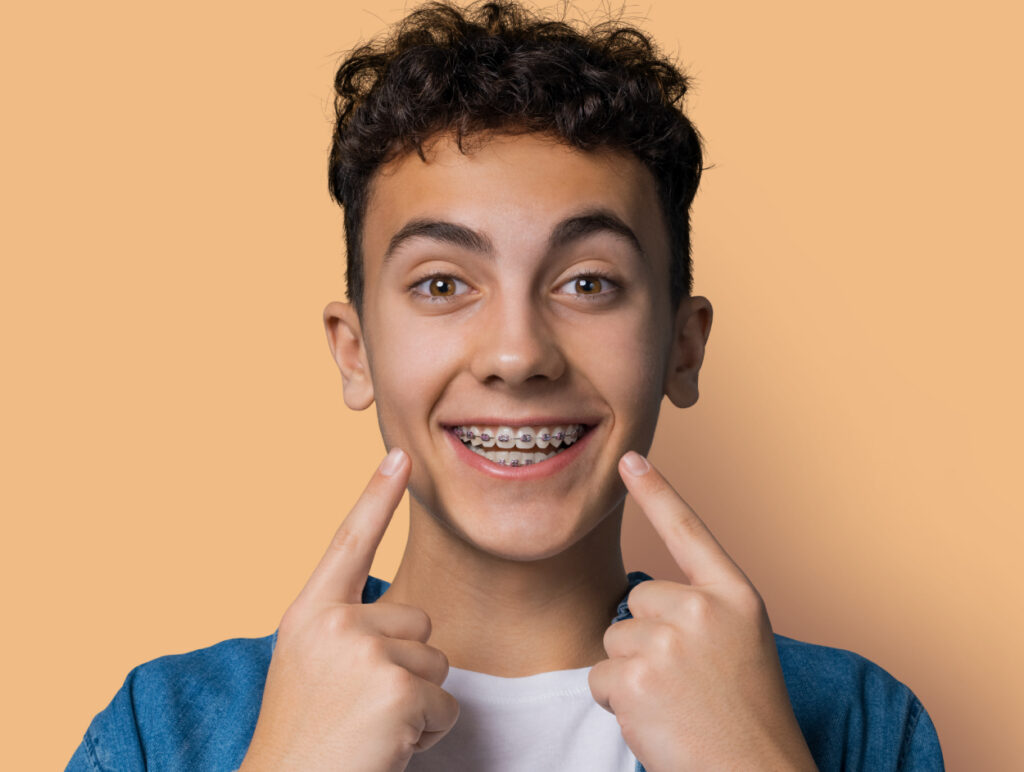
If you are considering cosmetic work on a chipped tooth, a small gap, or an area of discoloration, one of the first questions you are likely to ask is simple: how long will it last? That is exactly the right question to ask about dental bonding. It is one of the most practical and cost-conscious cosmetic treatments available, but it is not permanent. Its value comes from the balance it offers, improvement in appearance, conservative treatment, and a lower price point than veneers or crowns.
For patients exploring Dental Bonding in Bakersfield CA, the realistic lifespan is usually somewhere between 3 and 10 years. That is a wide range, and there is a reason for it. Bonding on the edge of a front tooth that bites into hard foods every day tends to age differently than bonding used to mask a minor stain on the side of a tooth. The dentist’s technique matters. Your bite matters. Your habits matter. Even Bakersfield’s long, hot summers play a small indirect role, mostly because dehydration and dry mouth can affect oral health if patients are not paying attention.
The better way to think about dental bonding is not to ask for one fixed number, but to understand what makes it last on the shorter end of that range or the longer end. Once you know that, you can make a much smarter decision about whether bonding fits your goals.
What dental bonding actually is
Dental Bonding uses a tooth-colored composite resin that is shaped directly onto the tooth, hardened with a curing light, and polished to blend with the surrounding enamel. It is often completed in a single visit. In many cases, there is little to no drilling, and often no anesthesia unless the bonded area is close to a sensitive spot or decay is being treated at the same time.
That simplicity is a major reason bonding remains so popular. A patient comes in with a small chip from biting ice, a narrow gap that catches their eye in photos, or a tooth that never quite matched the rest after old trauma. Bonding can often fix that in under an hour per tooth. The transformation can be immediate and surprisingly natural when done well.
Still, the material is resin, not enamel. It does not have the same strength as natural tooth structure, and it does not resist staining as well as porcelain. Those are the trade-offs. If you understand them going in, bonding can be an excellent choice. If you expect it to behave like a porcelain veneer for decades, disappointment usually follows.
The honest lifespan most patients can expect
A fair, practical answer is that Dental Bonding often lasts about 5 to 7 years in everyday use, though some cases fail earlier and some hold up beautifully for closer to a decade. There are patients who need a touch-up after two years because they grind their teeth or use bonded teeth like tools. There are others who still have well-maintained bonding after eight or nine years because the original repair was small and they have gentle habits.
Location matters more than many people realize. Bonding on the biting edge of the front teeth tends to take more stress than bonding near the gumline. A tiny cosmetic addition to smooth a contour may last quite a while. A larger patch replacing part of a chipped incisor has more risk of wearing, chipping, or debonding.
The skill of the dentist also plays a real role. Shade selection gets most of the attention because it is visible, but durability often comes down to less glamorous details: proper isolation, careful etching, thoughtful layering, curing technique, and how the bite is adjusted before the patient leaves. If the bonded area is left hitting too hard when you close or slide your teeth, it can fail much sooner than it should.
Why some bonding lasts much longer than others
The same material can perform very differently from one mouth to another. In practice, five factors usually make the biggest difference.
- The size and location of the bonded area
- Bite forces, including clenching and grinding
- Daily habits such as chewing ice or opening packages with teeth
- Oral hygiene and stain exposure from coffee, tea, red wine, or tobacco
- The quality of the original placement and finishing
A small repair on a front tooth that is carefully polished and protected from heavy stress can remain attractive for years. A large cosmetic build-up on someone who clenches at night is a different story. In those cases, even excellent work may need maintenance sooner.
I have seen patients compare their experience with friends and assume something went wrong because one person’s bonding lasted twice as long. Usually the explanation is more ordinary. One patient has a calm, balanced bite and never thinks about their teeth. The other bites pens during meetings, chews through nugget ice, and wakes up with sore jaw muscles. Bonding reveals habits very quickly.
What Bakersfield patients should keep in mind
Bakersfield is not unusual in terms of dental bonding outcomes, but local lifestyle patterns do shape what dentists tend to see. Athletes and active teens often chip front teeth during sports. Adults with busy schedules often want a cosmetic fix that can be done quickly, without the cost or commitment of porcelain. Bonding fits those needs well.
There is also a practical issue tied to climate. Hot, dry conditions can contribute to dry mouth if people are not staying hydrated, especially if they work outdoors, take medications that reduce saliva, or breathe through their mouth at night. Saliva matters. It helps buffer acids, wash away debris, and support the surfaces around bonded areas. Dry mouth does not directly pop bonding off a tooth, but it can contribute to a harsher environment overall.
For patients seeking Dental Bonding in Bakersfield CA, it is worth choosing a dentist who does this procedure regularly and talks candidly about maintenance. Cosmetic dentistry is not just about the day the work is placed. It is also about how that work will look after coffee, tacos, hot summers, occasional whitening, and five years of real life.
The most common ways bonding wears out
Bonding usually does not fail all at once. More often, it shows signs of age gradually. You may first notice that it has lost some polish. Then perhaps the edge picks up a stain or feels slightly rough. In other cases, a piece chips off while eating, or the margin becomes visible because the natural tooth and resin are aging differently.
Staining is one of the most frequent complaints. Composite resin can absorb color over time more readily than porcelain. Patients who drink coffee every morning, sip iced tea all afternoon, or smoke tend to notice this sooner. The bonded area may not stain exactly like the surrounding enamel, which can make color mismatch more obvious as months go by.
Chipping is the other common issue, especially on front teeth. It does not always mean the entire treatment failed. Often a small repair can be polished or added to without starting over. That is one of the quiet advantages of Dental Bonding. It is repairable. Porcelain usually looks more stable over time, but when it fractures, the fix can be more involved.
Signs your bonding may need attention
You do not need to panic over every tiny change, but there are some signs that deserve a dental visit. If the bonded edge feels sharp, if color mismatch becomes obvious, or if floss keeps catching in one spot, have it checked. The issue might be minor and easy to polish, or it might be the beginning of a larger chip.
Watch for bite changes too. Sometimes patients say, “It feels fine when I’m sitting still, but when I chew on something firm, that tooth feels different.” That can mean the bonding has worn unevenly or is taking too much contact. A quick adjustment can sometimes prevent a bigger break later.
Sensitivity is less common, but if a bonded tooth becomes newly sensitive to cold or pressure, the cause should be evaluated. It may have nothing to do with the bonding itself. A crack, gum recession, or cavity can mimic a bonding problem.
How bonding compares with veneers and crowns
Patients often ask this in the chair because they are trying to match the treatment to the timeline they want. Bonding is conservative and affordable, but it asks more of the patient over time. Porcelain veneers usually last longer and resist stains better, but they cost more and often require more planning. Crowns are usually reserved for teeth that need structural coverage, not just cosmetic touch-ups.
Here is the practical distinction. Bonding is often the best answer when the flaw is modest and the patient wants a simpler approach. Veneers may make more sense when someone wants a broader cosmetic redesign and expects stronger long-term color stability. A crown becomes relevant when the tooth is heavily damaged, previously root canal treated, or structurally weak.
The best treatment is not the one with the longest possible lifespan on paper. It is the one that fits the actual tooth, the patient’s habits, and the patient’s budget. I have seen patients overtreated because they assumed longer-lasting automatically meant better. Sometimes a small bonded repair is exactly the right move, especially if preserving natural enamel is a priority.
How to make dental bonding last longer
Most of the maintenance advice sounds familiar because healthy habits protect almost every kind of dental work. But with bonding, consistency really matters. A few simple choices can buy you years.
- Brush with a non-abrasive toothpaste and floss daily
- Avoid chewing ice, pens, fingernails, and hard candy
- Wear a night guard if you grind or clench
- Limit frequent staining drinks, or rinse with water after them
- Keep regular dental cleanings and exams
The night guard point is especially important. Many patients do not realize they grind because they are asleep when it happens. They may only notice jaw tension, flattened edges, or occasional chips. If your dentist recommends a guard after bonding, that is not an upsell. In many cases, it is the difference between bonding that lasts a few years and bonding that starts breaking much sooner.
A word about whitening also matters here. Bonding material does not whiten the way natural enamel does. If you bleach your teeth after bonding, the surrounding enamel may lighten while the bonded area stays the same, making it stand out. Patients who are planning whitening often do better whitening first and matching new bonding to the brighter shade afterward.
When touch-ups are enough, and when replacement makes more sense
Not every aging bonded tooth needs a complete redo. If the shape is still sound and the issue is mostly surface dullness or a small rough spot, polishing may be enough. If a corner chips but the rest of the bonding is intact and well-matched, a repair can work nicely. Composite is forgiving that way.
Replacement makes more sense when the color has shifted significantly, the margins are visible, recurrent chips keep happening, or the original shape was never ideal to begin with. Sometimes repeated repairs become less efficient than starting fresh. A dentist can usually tell after examining the tooth, checking the bite, and looking at how much natural enamel remains.
There is also an age factor in the work itself. Bonding placed years ago may have been done with older materials or techniques. Modern composites and finishing systems can produce smoother, more lifelike results than what many patients received a decade ago. That does not mean older bonding was bad. It simply means the standards and materials have continued to improve.
Realistic scenarios patients often ask about
A patient with a tiny chip on one front tooth after bumping a fork may get many years out of a small bonded repair, particularly if their bite is stable and they are not rough on their teeth. Another patient closing a gap between front teeth may also have good longevity, though flossing technique and stain control become more important because any visible discoloration draws the eye quickly in that area.
A different scenario involves someone who wants bonding to make several front teeth look longer and more even for photos or public-facing work. That can look excellent, but the more the bonding extends into areas that take bite pressure, the more maintenance should be expected. It is not that the treatment is wrong. It simply becomes a commitment rather than a one-time event.
Teenagers deserve special mention. Bonding is often a smart choice for younger patients with chips or shape concerns because it is conservative and can be revised later as the mouth changes. A https://maps.app.goo.gl/MqQDysdFPjTFPZwP7 16-year-old with a chipped front tooth from basketball usually does not need a veneer. Bonding buys time, preserves tooth structure, and can be updated in adulthood if needed.
Questions worth asking before you decide
If you are meeting with a cosmetic dentist in Bakersfield, ask how long they expect your specific bonding to last, not just bonding in general. Ask whether your bite puts the area at higher risk. Ask whether a night guard is recommended. Ask what maintenance usually looks like in cases similar to yours.
It is also reasonable to ask whether bonding is truly the best option or simply the most affordable option. A good dentist should be able to explain why they are recommending it. Sometimes the answer will be reassuringly simple: the defect is small, the enamel is healthy, and bonding preserves the most natural tooth. Other times, the honest answer may be that porcelain would likely hold its polish and shape longer.
That kind of conversation is where trust is built. Cosmetic work is part technique, part planning, and part expectation management. The patients happiest with Dental Bonding are usually the ones who understand from the start that touch-ups may eventually be part of the picture.
Is dental bonding worth it if it does not last forever?
For many people, absolutely yes. Not every dental improvement needs to be permanent to be worthwhile. If a modest investment can restore confidence in your smile, repair a chip cleanly, or avoid more invasive treatment, bonding can be a very smart decision.
Its strengths are easy to appreciate in real life. It is fast. It is conservative. It can look natural. It can often be repaired rather than replaced. And in the right case, it provides years of good service. The fact that it may need polishing, touch-ups, or replacement down the line does not make it a weak option. It makes it an honest one.
For patients looking into Dental Bonding in Bakersfield CA, the key is to approach it with clear expectations. Most bonding lasts several years, sometimes longer, sometimes less, depending on the tooth and the person wearing it. If you choose the right case, work with a skilled dentist, and protect the result with good habits, Dental Bonding can hold up very well and deliver exactly what many patients want, a better smile without major intervention.
Toothworks of Bakersfield, Dentist and Orthodontist
Address: 1030 H St #1, Bakersfield, CA 93304
Phone number: +16613239421
FAQ About Dental Bonding Bakersfield CA
How long will dental bonding last?
Dental bonding typically lasts between 3 and 10 years before it needs a touch-up or replacement. Its lifespan depends heavily on the tooth's location, your daily habits, and your oral hygiene.
How expensive is bonding a tooth?
Dental bonding typically costs between $100 and $600 per tooth for standard procedures, with a national average of about $431 per tooth. Complex repairs can reach up to $1,000 per tooth.
Is bonding your teeth a good idea?
Dental bonding is generally worth it if you want an affordable, fast, and non-invasive way to fix minor tooth flaws. It typically costs between $150 and $600 per tooth, takes 30 to 60 minutes in a single visit, and preserves your natural tooth enamel. However, it is less durable and stains easier than porcelain alternatives.