Cosmetic Dentistry Bakersfield CA for a Natural-Looking Smile
A great cosmetic result should not announce itself from across the room. The best work tends to look effortless, as if a person simply has healthy, balanced teeth that suit their face. That is the standard more people ask for now, especially patients who want to look refreshed without looking altered. In a place like Bakersfield, where professional life, family life, and social life often overlap, subtle improvements matter. People want confidence in meetings, in photos, and in everyday conversation, but they usually do not want a smile that appears too white, too square, or too perfect to be believable.
That is where thoughtful cosmetic dentistry earns its value. Cosmetic treatment is not just about making teeth brighter. It is about proportion, texture, translucency, gum display, bite stability, and how the smile fits the person wearing it. When patients start searching for Cosmetic Dentistry Bakersfield CA, many are really looking for one thing: a natural-looking smile that feels like their own, only better.
What “natural-looking” actually means
Natural does not mean dull, uneven, or stained. It means the final result respects the details seen in real teeth. Enamel is not flat white. Healthy front teeth usually show slight variation in brightness from edge to gumline, and they reflect light in a way that gives them depth. Tooth edges are not always identical. They often have tiny differences in shape that make a smile believable. Even the gumline plays a role. If one side sits higher than the other, the eye notices the asymmetry long before the patient can describe what feels off.
A natural cosmetic outcome also depends on facial harmony. The width of the smile, the curve of the lower lip, the amount of tooth shown at rest, and the relationship between the central incisors and the midline all affect the result. A smile that looks beautiful on one patient can look artificial on another if those proportions are ignored.
Many people come in asking for “perfect teeth,” then change course once they see examples of what overdone cosmetic work can look like. Very opaque veneers, unnaturally uniform shapes, or bleaching beyond what fits the patient’s skin tone can draw attention for the wrong reasons. Most patients, once they understand the difference, prefer refinement over spectacle.
Why patients in Bakersfield often want subtle cosmetic changes
Bakersfield patients are not all looking for the same thing, but certain patterns show up often. Some want to repair years of wear from grinding or clenching. Others are dealing with discoloration from coffee, tea, red wine, or older dental materials. Some have one tooth that shifted after braces, while others have several concerns at once, such as small chips, uneven edges, and crowding that developed over time.
There is also a practical side. People want improvements that fit real schedules and budgets. They may not want months of treatment if a simpler option would get them most of the way there. They may want a smile that photographs well but still looks believable in daylight, at work, or in casual conversation. That is why a careful cosmetic plan often blends aesthetics with function and lifestyle.
A patient in her early forties once described her goal in a way that captures this perfectly: she did not want a “new smile,” she wanted her own smile back before wear, staining, and a few rough dental experiences made her self-conscious. That distinction matters. The most satisfying cosmetic cases are often restorative in spirit. They restore what time, habits, or old dentistry took away.
The foundation matters more than people expect
Before discussing whitening, veneers, or bonding, a good cosmetic evaluation starts with health. If gums are inflamed, if there is active decay, if the bite is unstable, or if someone grinds heavily at night, cosmetic treatment can fail early or look compromised from the start.
This is one of the least glamorous parts of cosmetic dentistry, but it is the part that protects the investment. A bright smile framed by irritated gums does not read as healthy. Bonding placed on a patient with untreated clenching may chip. Veneers on teeth with unresolved bite issues can fracture or loosen. Even whitening tends to work better and look cleaner after a professional cleaning removes surface buildup.
Patients sometimes feel frustrated when they come in asking about appearance and the first conversation includes gum health or bite wear. In practice, that is usually a sign of good judgment, not upselling. Durable cosmetic dentistry relies on a stable base.
Whitening can be powerful, but it has limits
Teeth whitening is often the least invasive starting point, and in many cases it makes a bigger difference than patients expect. Professional whitening can lift years of staining and brighten the whole smile without changing tooth structure. It is especially useful for patients whose tooth shape is already attractive and whose main concern is color.
Still, whitening is not magic. It does not change the shade of crowns, veneers, fillings, or bonding. It may not fully erase deep internal discoloration. It can also reveal color mismatch if older dental work in the front teeth no longer blends after natural teeth become brighter. That surprise catches people off guard. They assume whitening is a simple one-step fix, then notice one filling or crown suddenly stands out.
Sensitivity is another consideration. Some patients tolerate whitening well, while others feel zingers or lingering cold sensitivity during treatment. That usually can be managed by adjusting strength, frequency, or product type, but it is worth discussing beforehand.
For a natural-looking result, the goal is usually not paper-white teeth. It is a clean, healthy brightness that fits the person’s complexion, age, and features. Over-whitened teeth can flatten the smile visually and make surrounding imperfections more obvious.
Bonding works best when it respects the tooth
Composite bonding is one of the most useful tools in cosmetic dentistry because it can reshape, repair, and refine teeth conservatively. Small chips, worn corners, minor gaps, and uneven edges often respond beautifully to bonding. A skilled hand can add just enough material to improve symmetry while preserving nearly all of the natural tooth.
When done well, bonding is almost invisible in casual conversation. It can also be completed more quickly than porcelain treatment, which appeals to patients who want change without a major commitment. In the right case, it is an elegant solution.
The trade-off is longevity. Bonding is durable, but it is not as stain-resistant or wear-resistant as porcelain. It may need touch-ups over time, especially in patients who bite their nails, chew ice, clench, or drink Cosmetic Dentistry Bakersfield CA a lot of coffee. The margin between natural tooth and composite also requires precise finishing to stay smooth and blend well.
The strongest bonding cases are usually selective. Instead of trying to transform an entire smile with composite, many dentists use it strategically to address a few visible concerns. That approach often keeps the result more natural and easier to maintain.
Veneers can look incredibly real, or obviously fake
Porcelain veneers have earned both praise and skepticism, often for good reason. They can produce stunning results when shape, shade, translucency, and bite are handled carefully. They can also look artificial when every tooth is made too large, too opaque, or too uniform.
The public often sees extremes online. Social media favors dramatic before-and-after images, but the best veneer work is not always dramatic on camera. It may simply look right. Teeth fit the face. The edges catch light naturally. The smile appears healthy and relaxed rather than manufactured.
A responsible veneer plan begins with the question of whether veneers are even the best choice. If a patient has healthy teeth with only minor spacing or edge wear, orthodontics and whitening may preserve more tooth structure. If there are several old fillings, discoloration, chips, and shape concerns, veneers may provide a more stable and cohesive answer.
Good veneer planning usually involves mock-ups, photographs, and detailed shade communication. Patients often focus on color, but shape is just as important. Slightly softer contours can make a smile look more natural and age-appropriate. Too much length can feel elegant on one face and distracting on another. These are artistic decisions as much as technical ones.
Clear aligners often improve cosmetics better than expected
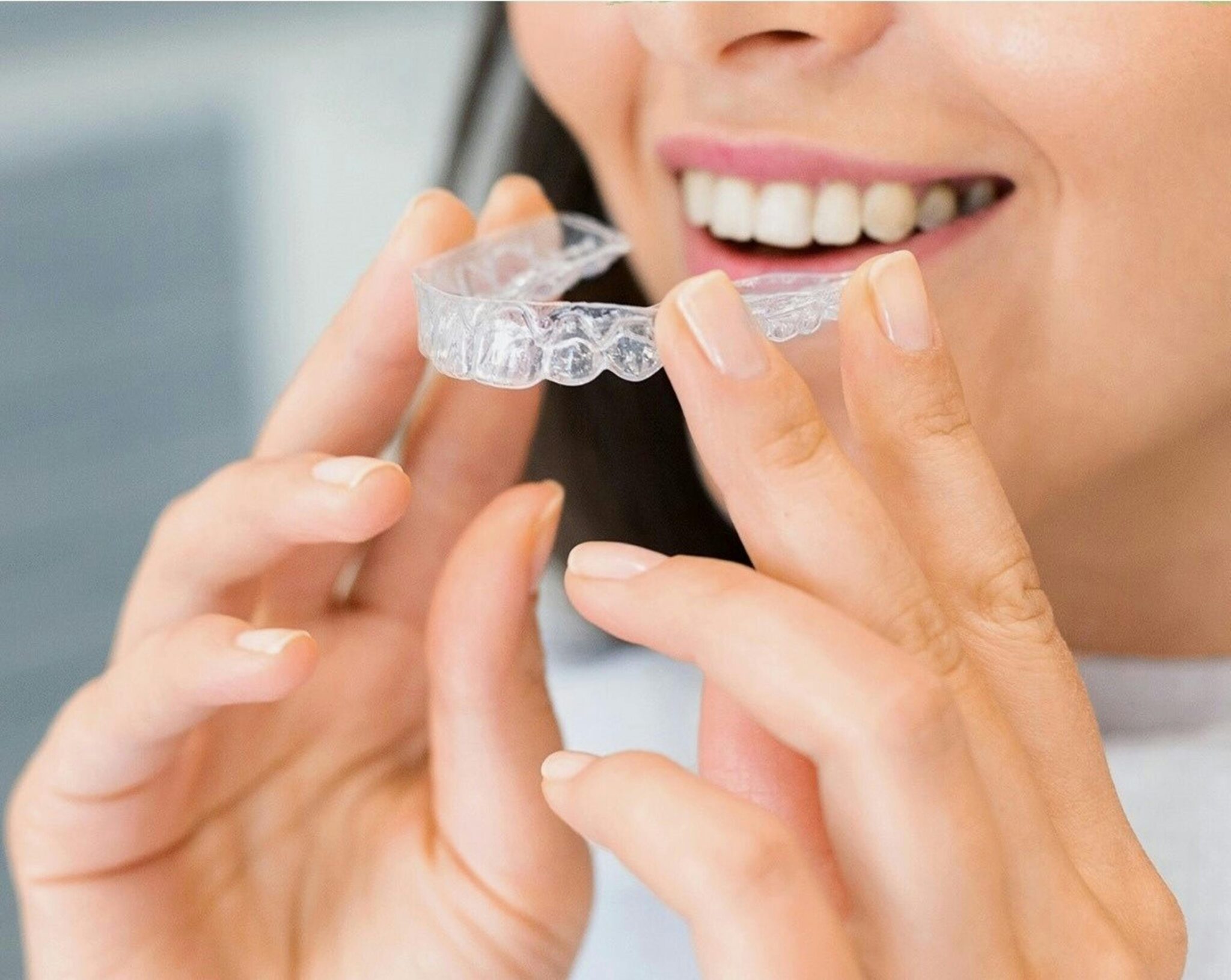
Many adults assume cosmetic dentistry means covering teeth, but moving teeth into a better position can sometimes create the most natural result of all. Clear aligners can correct mild to moderate crowding, spacing, and rotation, often making whitening or bonding more effective afterward.
This sequence matters. If teeth are aligned first, fewer restorative changes may be needed. A small gap that once seemed to require veneers might close with orthodontic movement. A chipped edge may become less noticeable once adjacent teeth are leveled. The final cosmetic work can be lighter and more conservative.
Aligners are not right for every case, and they demand consistency. Patients need to wear them as directed. They also need realistic expectations about timing. But for adults who want to protect natural enamel and avoid unnecessary drilling, orthodontic movement deserves serious consideration.
In Cosmetic Dentistry Bakersfield CA practices, this is often where the best judgment shows. The right provider does not force every case into veneers. Sometimes the most sophisticated cosmetic recommendation is the least aggressive one.
Gum contour and the frame of the smile
People tend to focus on teeth, but gums frame the entire smile. If the gumline is uneven or if excessive gum tissue covers too much enamel, teeth can appear short, worn, or asymmetrical even when the teeth themselves are healthy.
Minor gum contouring can create a cleaner, more balanced appearance in selected cases. This is not about chasing textbook symmetry at all costs. It is about correcting the kind of imbalance that draws the eye and makes the smile feel off. Even a millimeter can matter in the front of the mouth.
The key is restraint. Over-contouring gums can create sensitivity or expose areas that should remain protected. Soft tissue design should support the teeth, not overpower them. In experienced hands, subtle gum refinement can elevate the entire result without making the patient look like they had “cosmetic work.”
Replacing old dental work without making it obvious
A common cosmetic problem in adults is not naturally unattractive teeth, but aging dentistry. Old fillings darken. Crowns placed years ago may have opaque edges or visible metal lines. Bonding may stain at the margins. Even if the smile is generally healthy, these details can make it look tired.
Updating older restorations requires a different kind of cosmetic discipline. The challenge is not just making one crown or filling prettier. It is making it disappear into the smile. That means matching adjacent teeth in color, translucency, and surface texture. It also means understanding what can and cannot be blended in a single phase.
Sometimes one front crown stands out because the neighboring teeth are darker and worn. Replacing only the crown may improve one problem but create another. This is where experienced planning matters. Patients deserve a realistic explanation of what one change will accomplish and when several coordinated changes make better visual sense.
How a cosmetic consultation should feel
A strong consultation is less like a sales pitch and more like a design discussion grounded in biology. The dentist should ask what bothers you, but also what you like about your smile. That second question often reveals the direction treatment should take. A patient may dislike staining but love the shape of their teeth. Another may like the color but hate the uneven edges. Those details help preserve identity rather than replacing it.
You should also expect conversation about photos, bite, habits, maintenance, and budget. Cosmetic treatment is not a single category. It is a spectrum, from whitening to full-mouth rehabilitation. Good recommendations depend on context.
A useful consultation usually covers these points:
- What is causing the cosmetic concern, whether it is color, shape, position, wear, or old dental work.
- Which treatment options are conservative, which are more comprehensive, and how they differ in durability.
- What the result can realistically look like, including limitations.
- How the bite and gums may affect long-term success.
- What maintenance will be needed over the next several years.
That kind of conversation protects patients from regret. Cosmetic dentistry feels emotional because the smile is personal, but decisions go better when enthusiasm is balanced with clarity.
Choosing the right provider in Bakersfield
Finding the right cosmetic dentist is not only about credentials or technology. It is about judgment, communication, and a portfolio that matches your taste. A dentist who creates bright, dramatic smile makeovers may be excellent, but not ideal if you want a subtle result. You are not just choosing a service. You are choosing an aesthetic point of view.
When evaluating a provider for Cosmetic Dentistry Bakersfield CA, ask to see cases similar to your own. Someone with worn edges and small chips should not judge a dentist solely on complete veneer cases. Look for before-and-after examples with natural lighting, varied ages, and realistic outcomes. If every finished smile looks identical, that tells you something.
Pay attention to whether the dentist discusses preservation. Cosmetic work should improve appearance while protecting healthy structure whenever possible. If multiple solutions are available and only the most expensive one is presented, ask more questions.
It also helps to understand who is fabricating the final restorations. Great cosmetic outcomes often reflect close collaboration between dentist and lab. Shade selection, texture, and translucency do not happen by accident.
What maintenance looks like after treatment
Even the most beautiful cosmetic work needs upkeep. Natural teeth stain. Bonding can chip. Porcelain can last many years, but it is not indestructible. Retainers matter after aligners. Nightguards matter for grinders. Regular cleanings matter for everyone.
Patients often assume the finish line is the delivery appointment. In reality, long-term success depends on habits. A patient who invests in veneers and keeps opening packages with their front teeth is likely to learn an expensive lesson. A patient who brightens their smile but continues heavy coffee intake without maintenance whitening may see the result fade sooner than expected.
The encouraging part is that maintenance is usually manageable when expectations are clear. Most patients do very well with routine professional care, good home hygiene, and simple protective habits.
The practical side of maintenance often includes:
- Wearing a nightguard if you clench or grind.
- Keeping regular hygiene visits so staining and gum inflammation do not undermine the result.
- Using whitening touch-ups only as recommended, especially if you have sensitivity.
- Avoiding habits that chip or abrade teeth, such as chewing ice or using teeth as tools.
- Returning promptly if you notice a rough edge, small fracture, or bite change.
Those small follow-ups tend to prevent bigger repairs.
Cost, value, and avoiding the wrong kind of savings
Cosmetic dentistry ranges widely in cost because treatment ranges widely in complexity. Whitening is very different from bonding. Bonding is different from veneers. A single well-made crown on a front tooth requires different skill and lab work than a straightforward filling in the back of the mouth.
Patients naturally compare prices, and they should. But cosmetic dentistry is one area where bargain decisions can become expensive if the work has to be redone. Poor shade match, bulky contours, inflamed gums around poorly fitted margins, bite problems, and premature chipping are not minor annoyances when the front teeth are involved. Redoing cosmetic work often costs more than doing it carefully the first time.
That does not mean the highest fee is automatically justified. It means value should be judged by planning, materials, communication, follow-through, and the likelihood of a result that still looks good years later.
A natural smile is rarely about one procedure
The most satisfying cosmetic outcomes often come from combining small improvements rather than relying on a single dramatic fix. Whitening may brighten the canvas. Aligners may place the teeth where they belong. Bonding may restore a chipped corner. One new crown may replace an obvious old restoration. Together, those changes can create a result that looks completely natural because no single element is overdone.
That layered approach reflects real clinical experience. People do not present as textbook cases. They come in with history, habits, prior dental work, budget limits, and personal preferences. The art of cosmetic dentistry lies in sorting through those realities and choosing what truly serves the patient.
For anyone considering Cosmetic Dentistry Bakersfield CA, the smartest starting point is not asking for the most dramatic procedure. It is asking for the most appropriate plan. A smile should look healthy, proportionate, and believable. It should suit your face in bright sun, under office lights, and in a candid photo you did not know was being taken.
When cosmetic dentistry is done with that level of care, the result does not feel fake or fragile. It feels familiar. People notice that you look better rested, more polished, more confident. They may not know exactly why. Often, that is the clearest sign the work was done well.
Toothworks of Bakersfield, Dentist and Orthodontist
Address: 1030 H St #1, Bakersfield, CA 93304
Phone number: +16613239421
FAQ About Cosmetic Dentistry Bakersfield CA
What is considered cosmetic dentistry?
Cosmetic dentistry includes any dental treatment focused primarily on improving the appearance of your teeth, gums, or bite rather than treating a disease or restoring basic function.
How much does cosmetic dentistry usually cost?
The cost of cosmetic dentistry typically ranges from a few hundred dollars for minor touch-ups to over $20,000 for a comprehensive smile makeover, depending entirely on the specific procedure, materials used, and how many teeth are treated. Because most cosmetic treatments are elective, they are usually paid out of pocket without insurance coverage.
Is there a difference between a regular dentist and a cosmetic dentist?
Yes, a regular dentist focuses on your overall oral health and preventing disease, while a cosmetic dentist focuses on improving the look of your smile.